A simple solar panel maintenance checklist
Low maintenance, not no maintenance
Solar panels have no moving parts, which is why they last 25 years or more. Even so, a few simple checks catch small problems before they cost you energy. Most of them take a few minutes and never require you to climb onto the roof.
A word on safety first: don’t walk on panels or open electrical enclosures. Anything that involves the roof, wiring, or the inverter’s internals is a job for a qualified technician.
Every month: check your monitoring
Your monitoring app is the best maintenance tool you have. Once a month, compare this month’s production with the same month last year.
- A drop of a few percent is normal and depends on the weather
- A sudden drop of 10 percent or more is worth investigating
- A day with zero production almost always means a fault or a tripped switch
If your system has panel-level monitoring, look for a single panel that produces noticeably less than its neighbours. That usually points to shade, dirt, or a faulty connector.
Every season: look from the ground
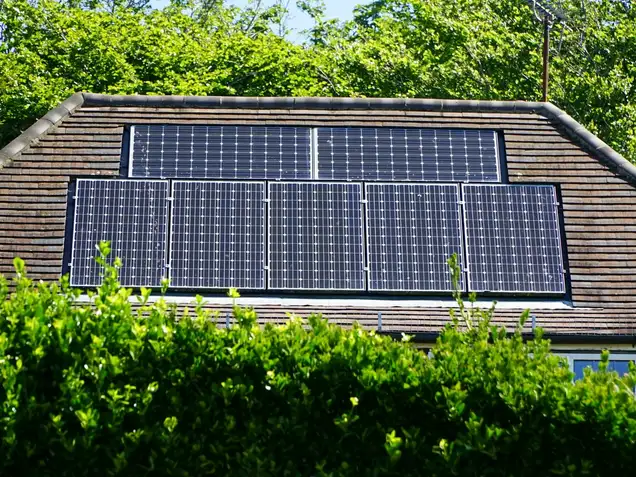
Walk around the house and look at the panels from the ground or a window.
- Dirt and debris: leaves, bird droppings, and dust in dry areas
- Shade: trees and hedges grow; a branch that was clear last year may shade panels now
- Animals: nesting birds under panels can damage cables
- Visible damage: cracked glass, loose panels, or hanging cables
Rain cleans most panels well enough. In dusty areas, or on shallow roofs where dirt collects at the lower edge, a professional clean once a year can recover a few percent of output.

Every year: a quick inverter check
The inverter is usually mounted in a garage, loft, or utility room. Once a year:
- Check that status lights show normal operation
- Make sure ventilation openings are clear of dust and stored items
- Note any error codes in the display or app
- Listen for unusual buzzing or clicking
Every five years: a professional inspection
A technician checks what you can’t see safely from the ground. A typical inspection covers:
| Check | What it finds |
|---|---|
| Mounting and fixings | Loose clamps or corroded rails |
| Cables and connectors | Wear, rodent damage, or loose plugs |
| Roof penetrations | Leaks around brackets |
| Electrical tests | Insulation faults and earthing problems |
| Thermal imaging | Hot spots in individual cells |
| Inverter and isolators | Firmware updates and switch function |
Signs you should call a technician now
- The inverter shows a red light or a persistent error code
- Production has dropped sharply for several sunny days
- You see scorch marks, melted plastic, or smell burning near any equipment
- A panel is visibly cracked or has moved
- Water is coming through the ceiling under the array
Cleaning: do it safely or not at all
If you clean panels yourself, do it from the ground with a soft brush on an extension pole and plain water. Avoid pressure washers, detergents, and abrasive pads, which can damage the anti-reflective coating and void the warranty. Clean early in the morning or in the evening, when the glass is cool.
Keep a simple log
Write down the date, what you checked, and any readings. A log makes warranty claims easier and helps a technician spot patterns. Most monitoring apps can export yearly production, which is worth saving alongside your notes.
A few minutes each month keeps your system close to the output it was designed for, year after year.