Charging an electric car at home with solar
Why solar and electric cars work well together
An electric car is one of the largest loads a home can add, often 2,000 to 3,500 kWh a year. Charging it from your own panels instead of the grid turns cheap solar energy into fuel savings. The challenge is timing: panels produce during the day, while many cars are parked at home overnight.
How much driving can solar cover?
A typical electric car uses about 15 to 20 kWh per 100 kilometres. Each kilowatt-peak of panels produces roughly 3 kWh on an average day across the year, more in summer and less in winter.
| Daily driving | Energy needed per day | Panels needed (approx.) |
|---|---|---|
| 20 km | 3 to 4 kWh | 1 to 1.5 kWp |
| 40 km | 6 to 8 kWh | 2 to 3 kWp |
| 60 km | 9 to 12 kWh | 3 to 4 kWp |
These figures assume the car is at home and plugged in while the sun is up. If it is away during the day, a battery or a cheap overnight tariff fills the gap.
Choosing a charger
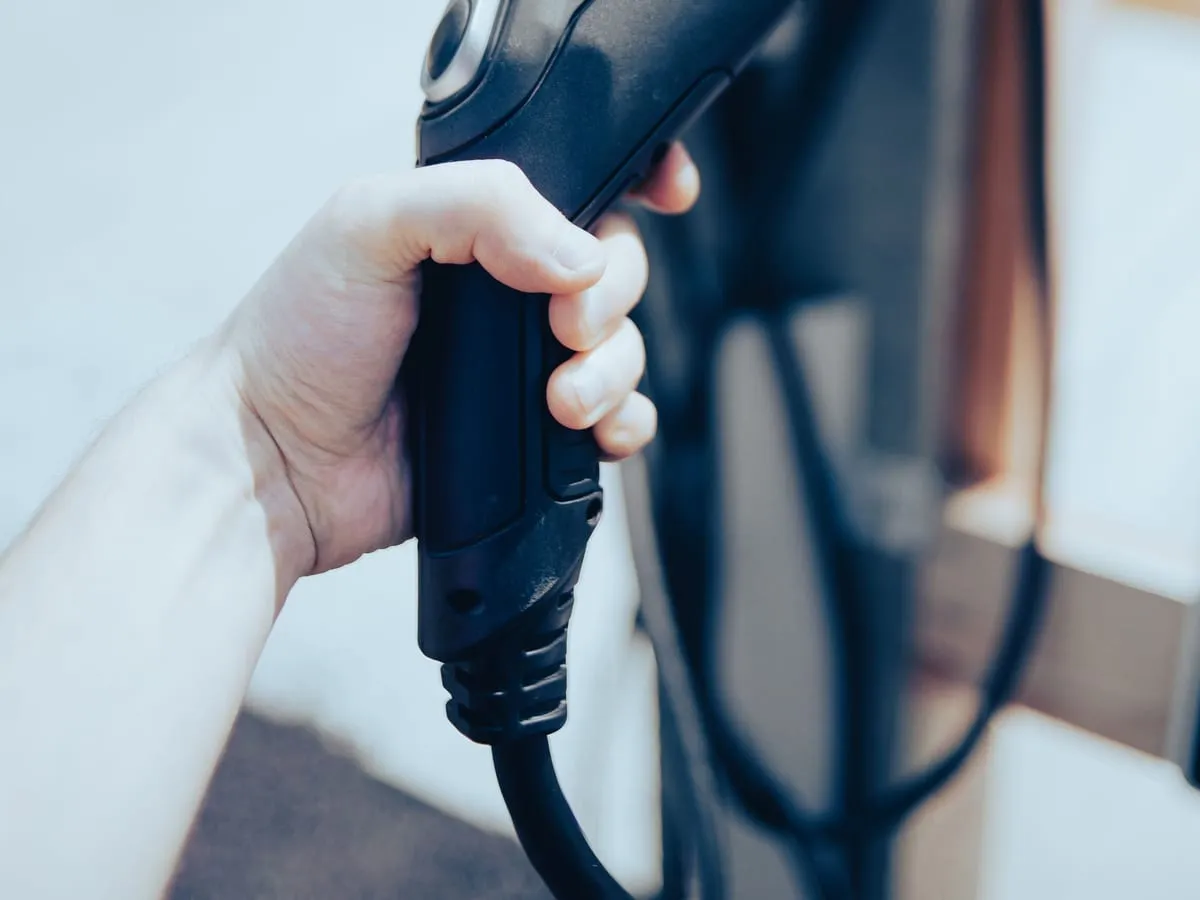
A standard socket charges slowly and can’t follow your solar output. A dedicated wall charger is safer and offers features that make solar charging easy.
Features worth having
- Solar mode: the charger adjusts its power to match surplus solar output, so the car uses energy you would otherwise export
- Scheduling: set charging to run during cheap tariff hours
- Load management: reduces charging power when the house is using a lot, preventing the main fuse from tripping
- App control: start, stop, and check charging from your phone
Single-phase or three-phase
Single-phase chargers deliver up to about 7 kW, enough to add 30 to 40 kilometres of range per hour. Three-phase supplies allow 11 kW or more. For solar charging, the minimum charging current matters too: most cars need at least 1.4 kW on single phase to charge at all, so a small surplus may not be enough on a cloudy day.
Timing your charging
The best strategy depends on your routine.
If the car is home during the day
Use solar mode. On sunny days, most of your charging comes straight from the roof. Top up from the grid only when the battery is low and the weather is poor.
If the car is away during the day
Charge overnight on a cheap tariff and let the panels cover the rest of the house. Alternatively, a home battery can store midday surplus and release it into the car in the evening, although moving energy through two batteries loses around 10 percent.
At weekends
Plan longer top-ups for sunny weekend days. Many households cover a large share of their weekly driving this way.
What it can save
Compare the cost per kilometre of each energy source in your area:
- Solar surplus: the value of the export credit you give up, often the cheapest option
- Overnight tariff: low, and available all year
- Standard daytime grid price: the most expensive way to charge at home
- Public fast charging: usually costs several times more than home charging
Before you install
- Ask an electrician to check whether your main supply can handle the extra load
- Choose a charger that works with your inverter or energy manager
- Place it where the cable reaches the car without crossing a walkway
- Check whether local rules require a smart charger with scheduling
With a little planning, solar can supply a large part of your driving energy and make every sunny day a free top-up.