Solar for business roofs: what changes above 50 kWp
Bigger roofs, different rules
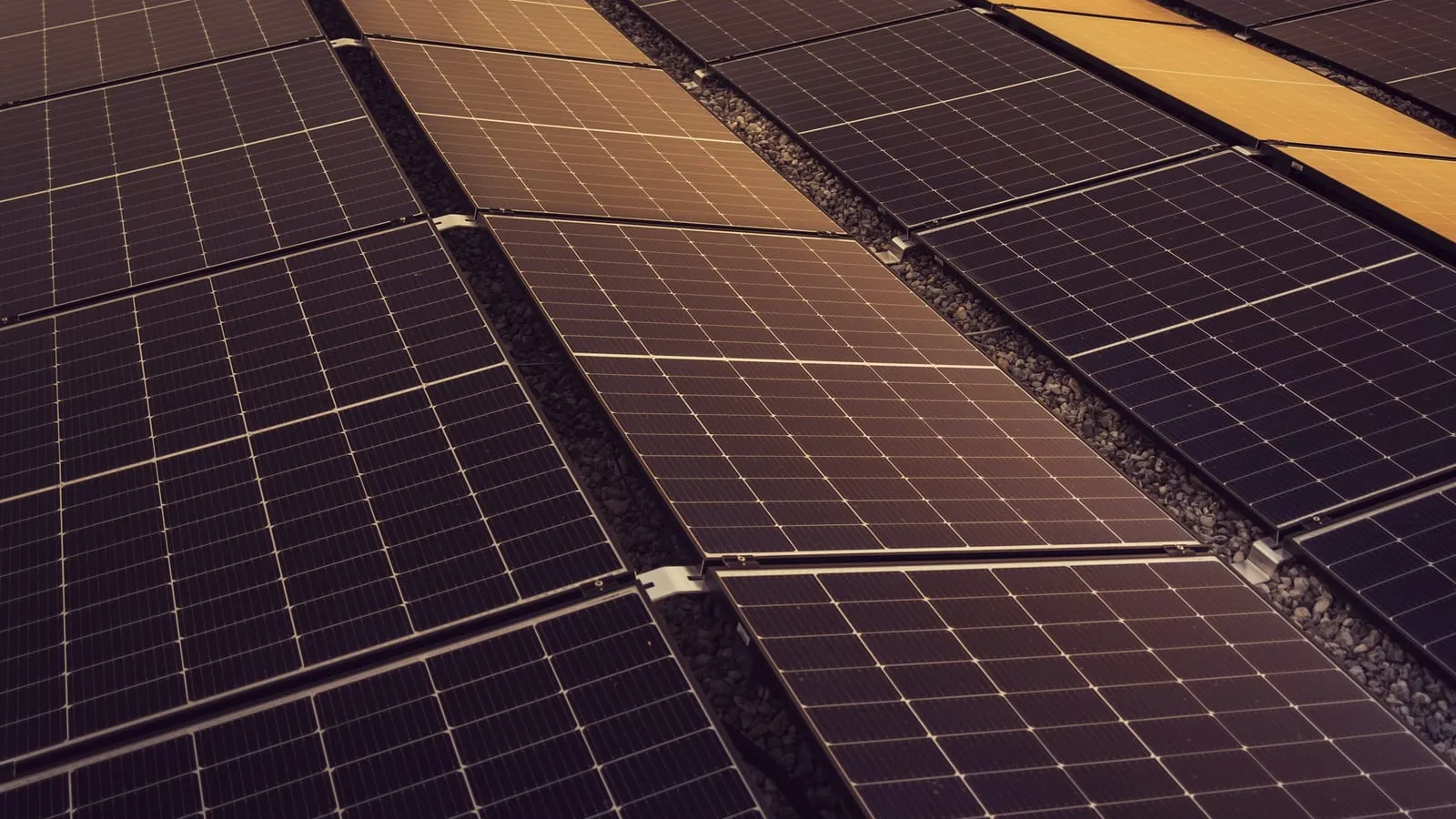
A 6 kWp home system and a 150 kWp warehouse system use the same panels, but the project around them is very different. Once a system passes roughly 50 kWp, grid operators, insurers, and building owners all ask more questions. Planning for them early keeps the project on schedule.
Daytime load is your biggest advantage
Most businesses use the bulk of their electricity during working hours, exactly when panels produce. That makes self-consumption much higher than in a typical home, often 70 percent or more without any storage. The value of each kilowatt-hour you use on site is the full price you would have paid the grid, including network and demand charges.
Start with half-hourly or hourly meter data for at least one full year. It shows:
- Your base load overnight and at weekends
- Your peak demand and when it happens
- How much of a proposed system’s output you would use on site
Sizing the system to your weekday base load is a safe starting point. Sizing above it only makes sense if exports are well paid or you plan to add storage or electric vehicles.
The grid application
Larger systems usually need formal approval from the local grid operator before installation. The operator checks whether the local network can accept the extra generation. Expect to provide:
- A single-line electrical diagram
- Inverter specifications and protection settings
- The maximum export you are requesting
- Site details and the point of connection
Approval can take anywhere from a few weeks to several months. If the network is constrained, the operator may limit exports. An export limiter on the inverter lets you install a larger array while staying within the agreed limit.
Structural and fire checks
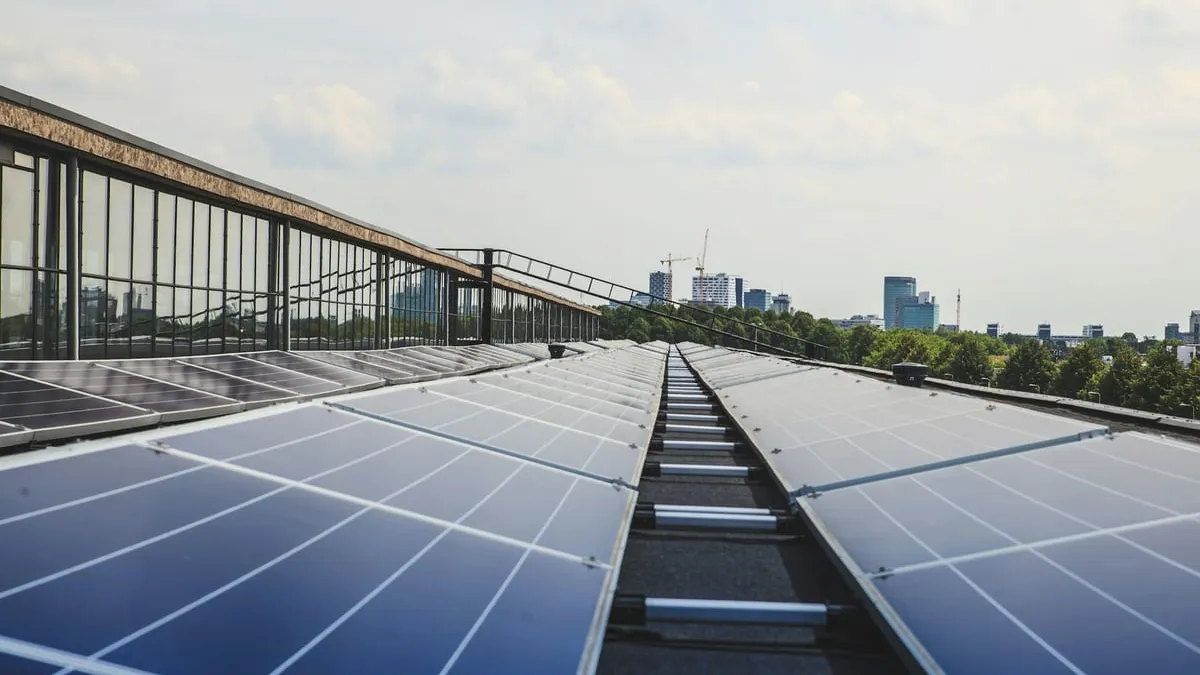
Commercial roofs vary widely. Lightweight metal sheets, old fibre-cement panels, and flat membrane roofs all need a different mounting approach.
Structural survey
An engineer confirms that the roof can carry the extra load of panels, rails, and ballast, including wind and snow loads. On older buildings this sometimes reveals repairs that are best done before panels go on.
Fire safety and access
Insurers increasingly ask for clear access routes, isolation switches that firefighters can reach, and documented cable routes. Rapid shutdown or panel-level electronics may be required. Speak to your insurer before you sign a contract, not after.
How the numbers compare
| Item | Typical home | Typical business roof |
|---|---|---|
| System size | 3 to 10 kWp | 50 to 500 kWp |
| Self-consumption without storage | 30 to 40% | 60 to 90% |
| Grid approval | Simple notification | Formal application |
| Structural survey | Visual check | Engineer’s report |
| Monitoring | App on a phone | Portal with alerts and reports |
Financing and ownership
Businesses can buy the system outright, lease it, or sign a power purchase agreement in which a third party owns the panels and sells you the electricity at a fixed rate. Buying gives the best long-term return. Leases and agreements protect cash flow but share the savings with the provider. Ask your accountant how each option is treated for tax and depreciation where you operate.
A short checklist for owners
- Collect at least twelve months of interval meter data
- Confirm roof condition and remaining roof life
- Ask your grid operator about connection limits early
- Involve your insurer before you sign
- Agree on a monitoring and maintenance plan from day one
Commercial solar rewards good preparation. With the right data and early conversations, a business roof can deliver some of the fastest paybacks in renewable energy.